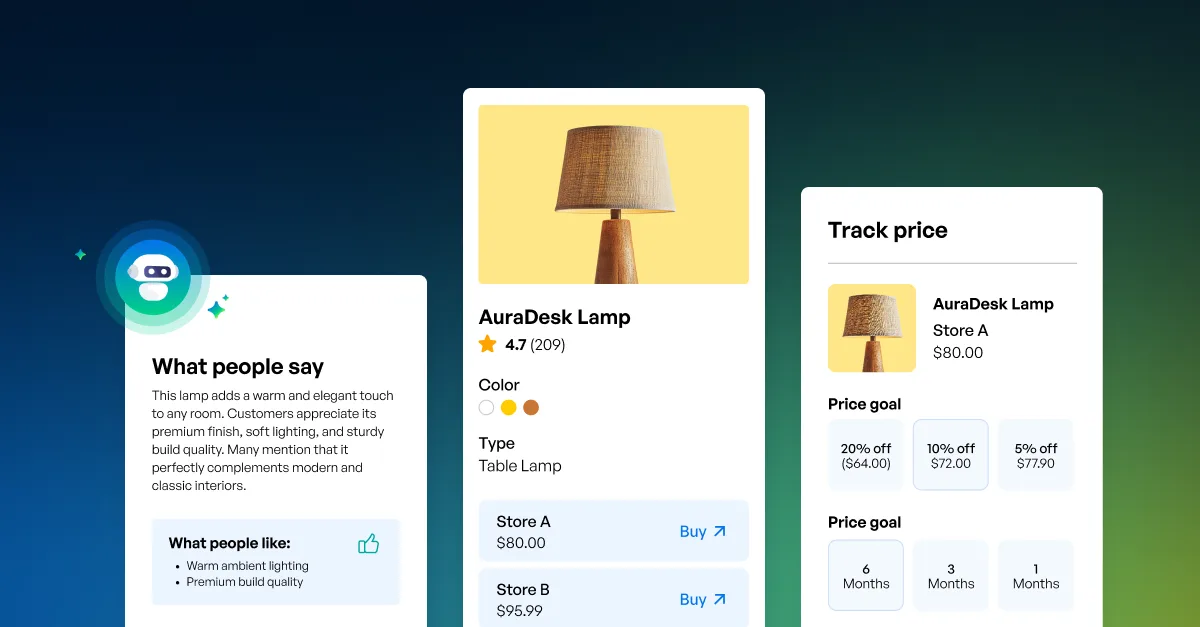


AI-powered agents can now research products, compare options, and make decisions on behalf of consumers. But before these agents can buy, recommend, or transact, brands must first prepare their product data, workflows, and governance for an agent-driven world.
For retailers and brands, this isn’t a distant e-commerce future; it’s happening now. According to McKinsey research, the US retail market alone could see up to $1 trillion in orchestrated revenue from agentic commerce, with global projections reaching as high as $3 trillion to $5 trillion, according to McKinsey research.
The implications will impact everything from customer acquisition to brand loyalty and profit margins. Businesses who understand and adapt early to this shift will lead the next decade of commerce, while those who ignore it risk getting overlooked by AI agents and being left behind.
What is Agentic Commerce?
Agentic commerce involves deploying autonomous AI agents to handle complex shopping tasks on behalf of consumers. Modern AI agents can interpret requests, adapt in real time, scan multiple platforms, filter results based on personal preferences, compare features and prices, and provide context-aware recommendations.
Imagine having a personal shopper who is always available, understands your preferences and budget, and can curate product recommendations from thousands of options across the internet. The key difference? This shopper is powered by Large Language Models (LLMs) and integrated into platforms like ChatGPT, Google Gemini, and Perplexity.
The adoption of AI assistants for shopping is growing fast. More than half of consumers anticipate using AI assistants for shopping by the end of 2025, and traffic to US retail sites from GenAI browsers and chat services increased 4,700% year-over-year in July 2025.
It’s not just a matter of traffic and eyeballs. These AI-driven visitors are more engaged than traditional shoppers—they spend 32% more time on sites, browse 10% more pages, and have a 27% lower bounce rate.
Why Shoppers Are Embracing AI Agents
By placing more control in the hands of consumers, AI agents are revolutionizing the shopping experience. Traditionally, retailers have held the informational edge, dictating product displays, search results, and the overall shopping journey. AI agents change this dynamic, offering new levels of empowerment for shoppers.
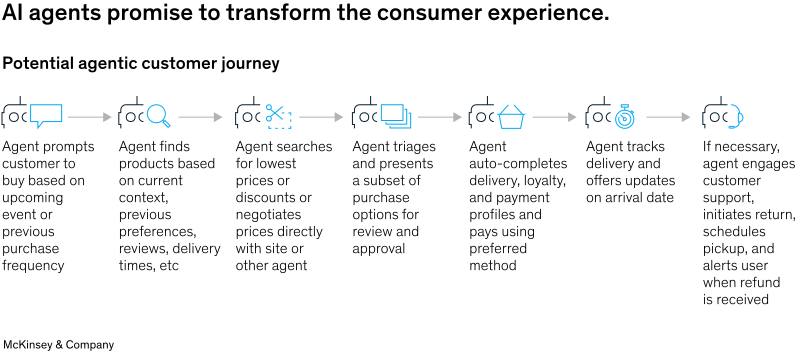
AI agents save consumers time by automating the tedious work of comparison shopping across multiple websites. Tasks that might take hours, like reading reviews, comparing specs, checking shipping costs, and finding coupon codes, can be completed in seconds with greater accuracy.
A Full Service Shopping Concierge
As trust in agents grows, they are expected to handle transactions autonomously. For example, they’ll use stored payment details to complete purchases and track deliveries, all without ever visiting a retailer’s website. Major platforms are quickly adding these features. Perplexity now offers one-click purchases within its chat interface, ChatGPT has introduced “Instant Checkout” for Etsy and Shopify, and Google is expanding AI Mode shopping to allow direct purchases via Google Pay.
An Easier Way to Find the Best Deals
AI agents are transforming the shopping experience for deal-seeking consumers. They can monitor price fluctuations across multiple retailers, alerting shoppers when items drop to target prices, automatically applying the best discounts, and predicting the optimal time to purchase based on historical pricing patterns. This level of price intelligence was previously available only to the most dedicated bargain hunters willing to invest significant time and effort.
Simplifies Purchasing Decisions
By eliminating decision fatigue and information overload, AI agents streamline purchasing decisions. Rather than wading through a sea of options and contradictory reviews, consumers receive tailored recommendations that align with their specific needs and preferences. The agent curates the most suitable products, ensuring a seamless and efficient shopping experience.
Empowers Less Savvy Shoppers
AI agents also level the playing field between savvy and novice shoppers. Not everyone has the time, skills, or inclination to become an expert comparison shopper. They provide access to the best deals and most suitable products, making shopping easier and more efficient for everyone. This democratization of shopping explains the rapid adoption of AI and highlights the need for retailers to adapt their strategies.
How Brands and Retailers Can Join the Agentic AI Party
The good news is that retailers who act now can turn this new shopping experience into a competitive advantage. Here are a few ways to leverage agentic commerce to stay ahead and delight shoppers.
Win with Third-Party Agents
Maintain product visibility as consumers engage with AI platforms. Transition from traditional SEO to Generative Experience Optimization (GXO) by generating authoritative, structured, and factual content that AI agents can easily read and rank. Ensure your product data is complete and credible, with detailed specs, quality visuals, and authentic reviews. Beyond your site, establish a strong presence on platforms like Reddit, YouTube, and review forums, where AI models often seek trusted insights.
Build Your Own AI Agents
Forward-thinking retailers are launching their own AI agents to deliver unique, brand-specific experiences that third-party platforms can’t replicate. These agents have access to proprietary customer data, allowing them to provide personalized guidance that third-party platforms can’t match.
Invest in Agentic PXM
Most brands approach agentic commerce from the outside in, focusing on where AI agents will shop or how transactions will happen. But the real challenge lives upstream.
Before AI agents can act externally, brands need internal systems that can autonomously create, enrich, validate, govern, and distribute product data at scale. This requires more than task automation. It requires agentic product experience management.
The Path Forward in the Agentic Commerce Era
Agentic commerce isn’t just another digital channel; it’s an exciting transformation in the consumer shopping experience. With 96% of global retailers exploring or implementing AI agents, the time to act is now.
To succeed, brands must ensure their products are easily discoverable by AI agents, develop their own AI agents to enhance customer experiences, and establish the technological infrastructure to operate at AI speed and scale.
For retailers who embrace it today, the rewards are significant: stronger customer connections, smarter operations, and a real competitive edge. The question isn’t whether this future is coming; it’s how you’ll lead in it.
Get the tools you need to stand out on the new digital shelf.